
2025-06-25
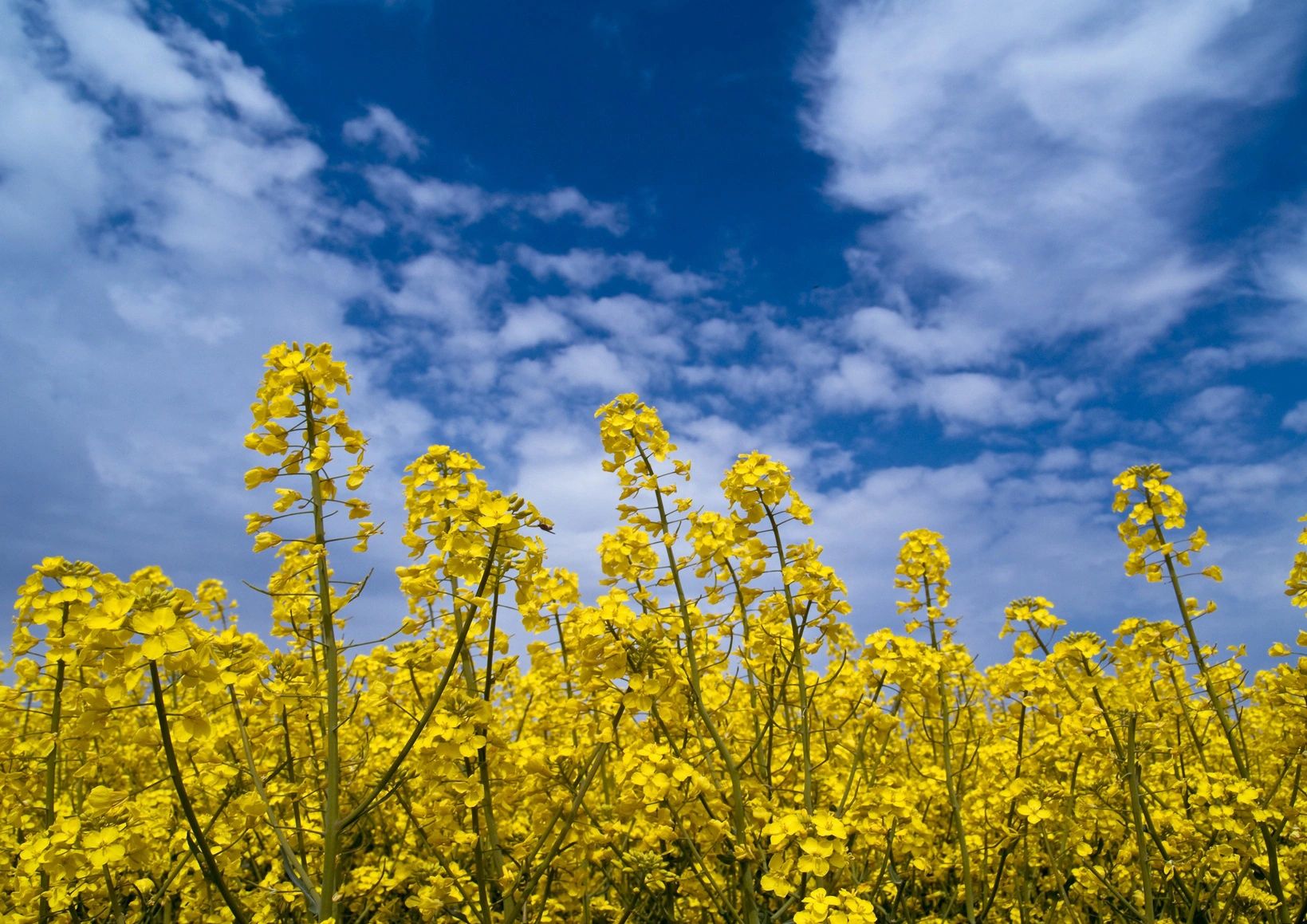
When it comes to storing canola, you don’t get a second chance. It’s one of the most valuable crops per acre—but also one of the riskiest to store if you don’t do it right. High oil content means it can heat up, spoil, or even crust over if conditions aren’t ideal.
Here’s what you really need to know about storing canola safely after harvest.
What Moisture Canola Comes Off the Field At
Depending on weather and timing, canola is usually harvested at 10 to 15% moisture. In a perfect world, it would come off closer to 10%. But in cooler or wetter years—like most North Dakota harvests—moisture can hang higher than you'd like.
Even though most buyers want it at or below 10%, a lot of canola goes into bins closer to 12–14%, which means drying is a must.
Target Moisture for Safe Storage
If you want that canola to sit safely for months (or even through the next summer), the target is clear:
Dry it down to 8% or less.
That’s the golden number. Canola stored above 8% can start to spoil in a matter of weeks if temps are warm. Even if you get away with storing at 9–10%, that only works if you keep it cold—like 40°F (5°C) or lower.
Drying Tips: Air is Your Friend (and Heat is Plan B)
Aeration is your best friend after harvest. As soon as the bin is loaded, get air moving through it. Natural air drying works well, especially if the outside temps are cool and humidity is low.
But if your canola is sitting at 12–15% and air drying just isn’t cutting it, then it’s time to bring in some heat—carefully.
Here’s the key:
- Keep drying temps under 45°C (113°F) if it’s seed-grade canola.
- You can go higher (up to 82°C) if it's headed for oil extraction, but don’t push it too hard or you risk damaging the seed.
Always aim to remove no more than 4–5% moisture per drying cycle, and keep the airflow steady.
Cool It Down, Then Keep It There
Drying isn’t the whole story. Even perfectly dried canola can spoil if it heats back up in the bin.
After drying, the grain needs to be cooled—and kept cool. This is where aeration again becomes critical. The first six weeks are especially important. During this time, canola tends to “sweat,” releasing moisture from respiration and settling. If left unchecked, this can lead to crusting or spoilage pockets in the bin.
Check your temps. Run your fans. Don’t walk away and assume it’s fine.
Watch the Oil, Watch the Bugs
One reason canola is so tricky to store is because of its high oil content—typically 42–45%, sometimes even higher. More oil means less margin for error. If your seed has a high oil content, you may need to store it even drier—closer to 6–7% moisture—especially if temps aren’t low.
Also, remember that insects thrive above 18°C (64°F). The cooler you keep your bins, the less likely you are to see any bug problems.
Quick Storage Cheat Sheet
- Freshly harvested canola:
Moisture content is usually between 10–15% at the time of harvest. This grain will need drying before safe storage.
- Safe long-term storage:
Target 8% moisture or less, and keep the temperature at or below 10°C (50°F). This is ideal for storage over several months or into the next season.
- Temporary storage in cool weather:
If moisture is 9–10%, you may be able to store it temporarily if the bin is kept at 5°C (40°F) or colder. But it’s risky to hold canola at this moisture level for more than a few months.
- Heated drying is needed:
If canola is above 12% moisture, you’ll likely need to use heated air drying. For seed-grade canola, keep drying temperatures below 45°C. For oilseed going to crushers, temps up to 82°C can be used safely if monitored carefully.
- High-oil content canola:
If your canola has a high oil content (above 45%), it’s even more sensitive. In these cases, it's best to store it closer to 6–7% moisture, and keep it as cold as possible to prevent spoilage or heating.
Final Thoughts for Growers
Canola isn’t as forgiving as wheat or corn. It can pay big—but only if you treat it right after harvest. Get it dry. Get it cool. Monitor it closely.
Even a well-dried bin can go bad if you ignore it for a month. So check your temps, trust your nose, and don’t be afraid to move grain or run fans if something seems off.
Smart drying and storage could mean the difference between top dollar and dockage—or worse.
Sources
- Canola Council of Canada – Canola Storage Guide: Guidelines on drying, safe moisture thresholds, and aeration best practices.
- PAMI (Prairie Agricultural Machinery Institute): Research on canola drying rates and fan performance.
- Manitoba Agriculture and Resource Development: Recommendations on managing “sweating” and post-bin aeration.
- Alberta Agriculture and Forestry: Charts and recommendations for long-term safe storage moisture/temperature combos.
- Oklahoma State University Extension: Scientific overview of equilibrium relative humidity and oilseed storage behavior.
- University of Minnesota – Canola Factsheet by A. Burrill: Advice on storing high-oil varieties and managing bin risks.