
2025-07-09
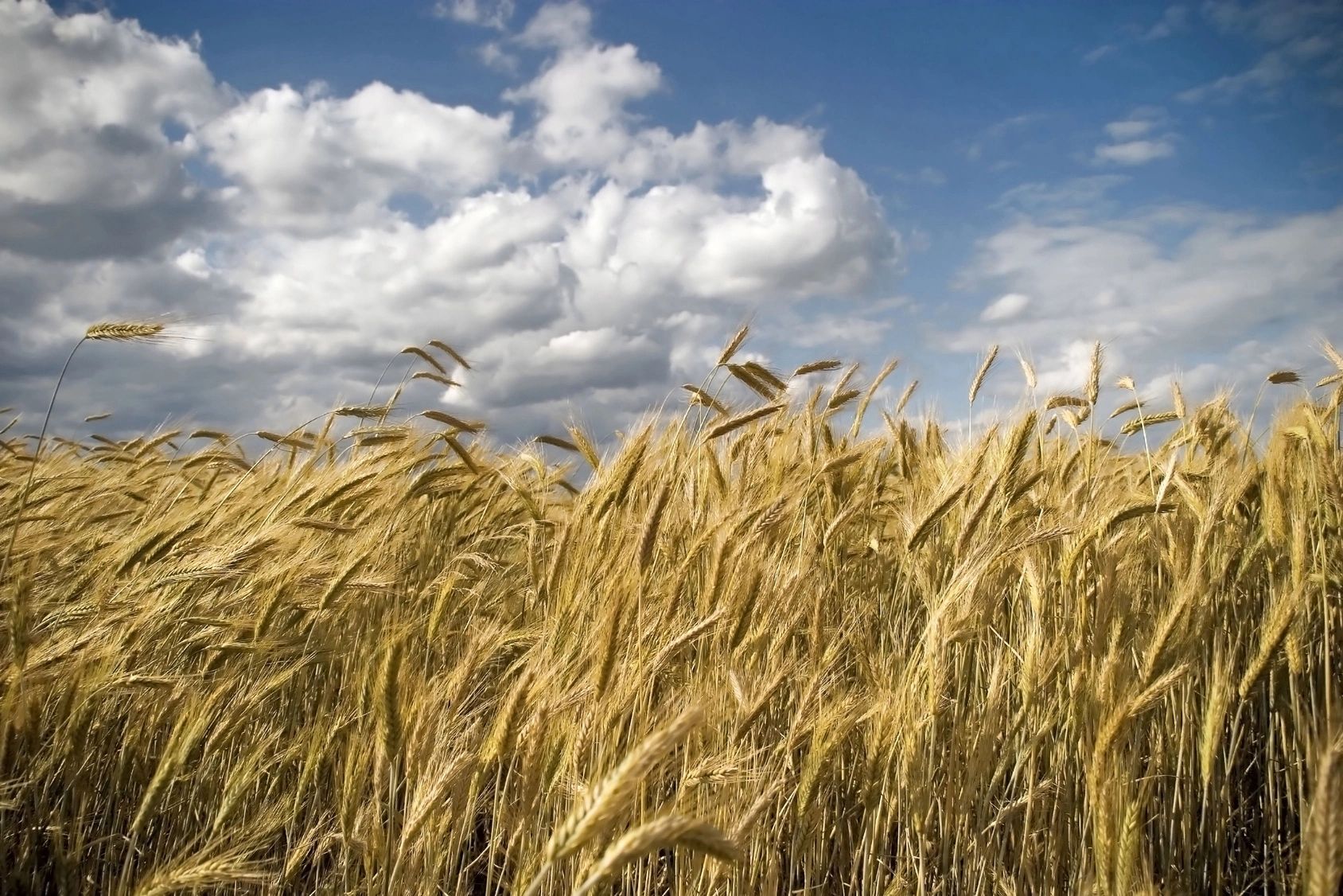
With harvest underway or just around the corner for wheat and barley, now is the time to prepare for safe, long-term storage. While the basics of grain storage haven’t changed much, 2025 brings its own set of challenges: unusual weather patterns, rising energy costs, and evolving quality standards from buyers—especially for malting barley.
If you're putting grain in the bin this year, here are the key things to know for keeping it in condition and protecting your profit.
1. 2025 Harvest Conditions: Cooler Temps, But Uneven Grain
Much of the Northern Plains saw a cooler, wetter start to the growing season followed by a dry, warm finish. As a result, many growers are seeing:
- Uneven ripening in fields
- Higher-than-normal moisture in certain zones
- Kernel quality issues in barley due to late-season heat stress
With NOAA forecasting below-average temps into late August and early fall, many growers will be storing grain that's already on the cool side. That helps reduce early spoilage risk, but don't let your guard down: moisture variation within bins can still cause trouble.
2. Moisture & Temperature Targets
- Wheat: Safe for short-term storage at 13.5% moisture; long-term at 12.5% or lower
- Feed barley: Target 13.5% or less
- Malting barley: 12.5% or lower, with strict quality control
Cool grain to 50°F or below as soon as possible using aeration fans, and aim for 35–40°F heading into winter. Keep in mind: even dry grain can spoil if it's warm.
3. Fan Strategy: Why EMC Matters More Than Ever
With electric rates still high in 2025, there's more incentive than ever to avoid running fans around the clock. Running your fans only when conditions are right (i.e. air EMC is below grain moisture) can cut your energy bill significantly.
Example: Drying wheat from 15% to 13% might take 300 fan-hours, but if only 30% of those hours had favorable EMC, 70% of your fan time was likely wasted.
Use a tool like Fan Buddy to calculate:
- EMC in real time
- Drying or rehydration potential
- Forecasted fan run windows
4. Grain Behavior: Small Grains, Big Risks
Barley and wheat behave differently in storage than corn:
- Pack tighter, increasing static pressure
- Require higher fan pressure to achieve target CFM/bu
- More prone to moisture migration
Aim for at least 0.1 to 0.2 CFM/bu. Don’t assume your corn fan setup is good enough—run the numbers. You can use Grainsight’s airflow and static pressure calculators for this.
5. Moisture Migration & Bin Management
Cool fall air entering the bin sinks and pushes warm air upward. This often creates a wet layer at the top center of the bin. If left unchecked, that layer can mold or crust over, leading to spoilage.
- Run fans periodically to equalize temps
- Consider pulling a sample or probing the top layer in late winter
6. 2025 Quality Alerts: What to Watch For
Wheat:
- Some areas are seeing lower test weight and higher protein
- DON (vomitoxin) may be a concern where Fusarium pressure was high
Barley:
- Late heat may have caused kernel discoloration and shriveling
- Malting specs are tightening, with some buyers lowering protein limits and increasing discounts for cracking or sprouting
If storing malting barley:
- Dry slowly and evenly
- Avoid aggressive fan use that could overdry or stress kernels
- Keep close tabs on temperature and humidity
7. New Tools & Upgrades Worth Considering
If you’re storing small grains regularly, consider:
- Installing temperature cables
- Using automated fan controllers based on EMC
- Leveraging forecast tools to reduce runtime and risk
Tools like Fan Buddy and Grainsight's bin monitoring system make it easier to manage fans and spot problems early.
Final Thoughts
Every year is different, and 2025 is no exception. Uneven moisture, rising energy costs, and tighter malting specs make this a year to stay sharp with storage. Dry to target, cool quickly, and use the tools available to make smarter decisions.
If you need help calculating airflow, estimating fan runtime, or figuring out if your conditions are right for drying, check out the free Fan Buddy app or get in touch—we're happy to help.
Sources
- North Dakota State University Extension: "Drying and Storing Barley and Wheat" (2023)
- NOAA 2025 Seasonal Climate Outlook (July Update)
- Prairie Agricultural Machinery Institute (PAMI) Research Bulletins on Aeration and Fan Performance
- USDA Grain Quality Reports (Wheat and Barley, 2024/2025)
- Interviews with local malt barley producers
- University of Minnesota Grain Storage Research